AI Humanizer: The Complete Guide for Students in 2026

Learn how AI humanizers transform ChatGPT essays into undetectable, human-sounding academic writing. Complete guide for students in 2026.
The rise of AI writing tools has fundamentally changed how students approach academic assignments, but it has also introduced a critical challenge: making AI-generated content sound authentically human. An ai humanizer is a specialized tool designed to transform robotic, pattern-heavy text produced by ChatGPT and similar models into natural, human-sounding writing that bypasses detection systems. As universities strengthen their AI detection measures in 2026, understanding how these tools work has become essential for students who rely on AI assistance for their coursework. This technology bridges the gap between AI efficiency and the authentic voice professors expect in academic submissions.
What Is an AI Humanizer and How Does It Work
An ai humanizer is software that rewrites AI-generated text to eliminate detectable patterns and make it appear human-written. These tools analyze input text for common AI signatures including repetitive phrasing, predictable sentence structures, and uniform tone.
The process involves several sophisticated techniques:
Syntax variation that breaks up monotonous sentence patterns
Lexical diversity enhancement to reduce word repetition
Tone modulation to add natural inconsistencies found in human writing
Contextual paraphrasing that maintains meaning while changing structure
Punctuation randomization to mimic human writing habits
Most ai humanizer tools operate through machine learning models trained on millions of human-written documents. They understand the subtle differences between how humans and AI construct sentences, paragraphs, and arguments. Research on conversational human-AI interactions reveals that effective humanization requires understanding linguistic patterns at multiple levels, from individual word choice to overall document structure.

The Technical Architecture Behind Humanization
Modern ai humanizer platforms use transformer-based neural networks similar to those powering ChatGPT itself. However, they're specifically trained to reverse-engineer AI patterns rather than create them. The system analyzes semantic meaning first, then reconstructs sentences using human-like variation patterns.
Key technical components include:
Pattern recognition algorithms that identify AI signatures
Natural language processing engines that understand context
Rewriting models trained on human academic writing
Quality assurance systems that verify output authenticity
Detection evasion testing against major AI detectors
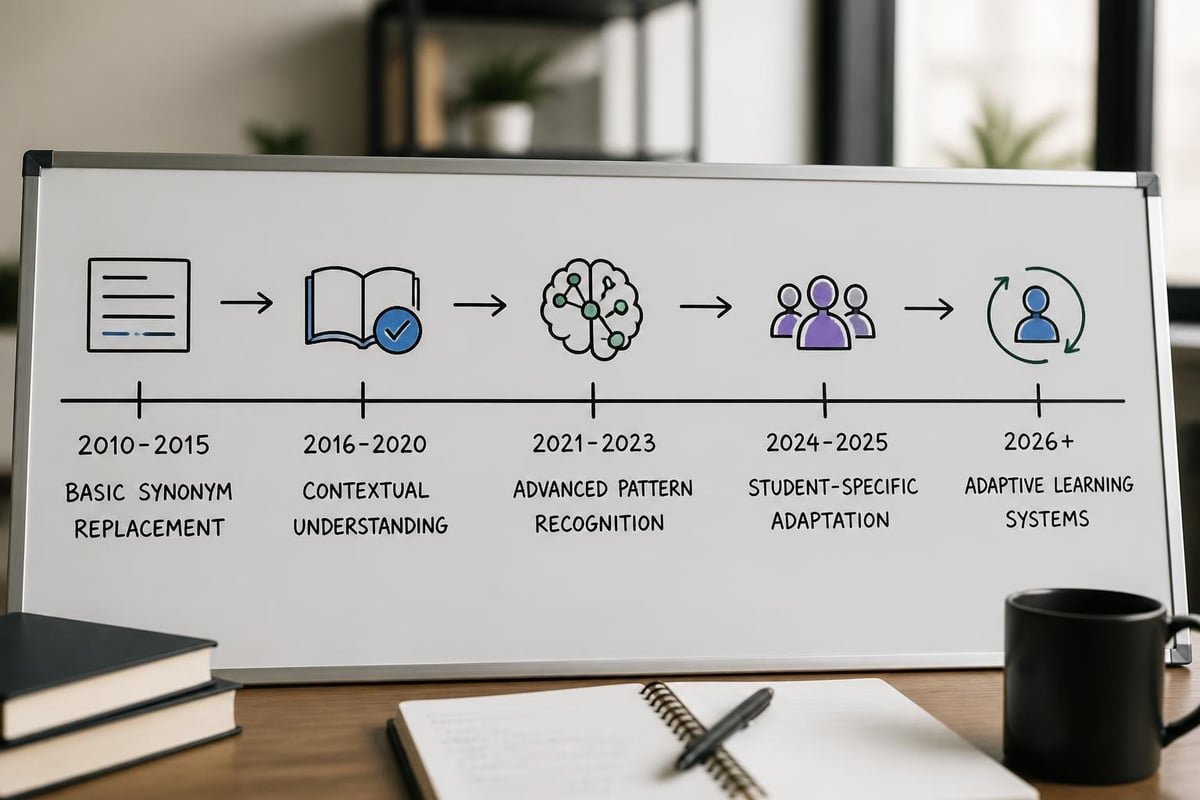
The sophistication of these systems has increased dramatically. Early versions simply swapped synonyms, which detectors easily caught. Today's ai humanizer tools fundamentally restructure content while preserving academic integrity and argument coherence.
Why Students Need AI Humanizers in 2026
The academic landscape has shifted significantly since AI writing tools became mainstream. Universities now routinely scan submissions through platforms like Turnitin, which updated its AI detection capabilities specifically to catch ChatGPT-generated content. This creates a practical problem for students who use AI as a legitimate study aid.
Consider the reality: over 60% of college students report using AI tools for coursework in some capacity. Many use ChatGPT to brainstorm ideas, create outlines, or generate first drafts they significantly revise. However, even heavily edited AI content often retains detectable patterns that trigger false positives.
Student Need | Without AI Humanizer | With AI Humanizer |
|---|---|---|
Submit AI-assisted work | High detection risk | Passes undetected |
Maintain natural voice | Robotic patterns visible | Authentic human tone |
Meet deadlines | Time-consuming manual editing | Instant transformation |
Avoid false accusations | Vulnerable to false positives | Protected against flags |
Understanding how AI detectors work helps explain why humanization has become necessary. These systems don't just check for plagiarism anymore; they analyze writing for probabilistic patterns that suggest AI authorship.
Academic Pressure and the Humanization Solution
Students face unprecedented academic pressure in 2026. Course loads have increased, expectations have risen, and competition for graduate programs and jobs has intensified. AI tools offer efficiency, but only when the output doesn't trigger institutional consequences.
An ai humanizer addresses this by allowing students to:
Use AI research assistants without detection risk
Transform brainstorming output into submittable drafts
Maintain consistent writing quality across assignments
Focus on content rather than beating detection systems
The ethical consideration centers on how students use these tools. When AI serves as a research and drafting aid that students then refine and humanize, it functions similarly to traditional writing assistants or tutoring services.
Key Features of Effective AI Humanizers
Not all ai humanizer tools deliver the same results. The most effective platforms share specific characteristics that ensure consistent, undetectable output for academic submissions.
Detection Evasion Capabilities
Premium ai humanizer platforms test their output against multiple detection systems including Turnitin, GPTZero, Originality.AI, and Copyleaks. They continuously update their algorithms as detection technology evolves. Research into AI detection methods shows that detectors are becoming more sophisticated, requiring humanizers to stay ahead through constant innovation.
The best tools offer:
Multi-detector testing before returning results
Confidence scores showing likelihood of passing detection
Iterative refinement if initial humanization doesn't meet thresholds
Version comparison to see how content was transformed
Academic Writing Optimization
Beyond just avoiding detection, quality ai humanizer tools understand academic writing conventions. They maintain:
Formal tone appropriate for scholarly work
Logical argument flow and paragraph coherence
Citation integrity without disrupting reference formatting
Discipline-specific terminology and conventions
Appropriate complexity for college-level writing
These features ensure that humanized content doesn't just pass detectors but actually reads like strong student work. The transformation process should enhance rather than diminish academic quality.

Speed and Scalability
Students work under time pressure, especially during finals season. Effective ai humanizer platforms process content within seconds, not minutes. They handle various document lengths from short response papers to comprehensive research essays.
Performance benchmarks for top-tier tools:
Document Length | Processing Time | Bypass Rate |
|---|---|---|
500 words | 3-5 seconds | 99%+ |
1,500 words | 8-12 seconds | 98%+ |
3,000 words | 15-20 seconds | 97%+ |
5,000+ words | 25-35 seconds | 96%+ |
Speed matters because students often need to humanize content close to deadlines. A slow platform creates additional stress rather than relieving it.
How AI Humanizers Compare to Manual Editing
Students frequently ask whether they can achieve the same results through careful manual editing. The reality is complex and depends on several factors including writing skill, time availability, and understanding of AI detection patterns.
Manual editing certainly improves AI-generated content. Adding personal examples, varying sentence structure, and inserting authentic voice all help. However, research on human ability to distinguish AI text shows that even educated readers struggle to identify subtle AI patterns, meaning students often can't recognize what needs fixing.
Advantages of Automated Humanization
An ai humanizer offers consistency that manual editing cannot match:
Systematic identification of ALL AI patterns, not just obvious ones
Consistent application of humanization techniques throughout the document
Real-time testing against actual detection algorithms
No subjective guesswork about what will trigger flags
Preservation of content meaning while transforming expression
Manual editing requires students to understand complex linguistic patterns that detection algorithms identify. Most undergraduates lack this specialized knowledge, making their edits hit-or-miss.
When Manual Editing Still Matters
Despite automation advantages, manual editing remains important for:
Adding personal experiences and specific examples
Ensuring argument alignment with course material
Incorporating feedback from previous assignments
Matching professor-specific expectations
Final quality assurance and proofreading
The optimal workflow combines both approaches. Students use AI for research and drafting, employ an ai humanizer to eliminate detection patterns, then manually refine to add personal touches and course-specific elements. GenZWrite helps streamline this process by providing instantly undetectable output that students can confidently build upon without worrying about AI detection flags.
Common Challenges and Solutions
Even with quality ai humanizer tools, students sometimes encounter obstacles. Understanding these challenges and their solutions ensures consistently successful results.
Over-Humanization and Clarity Loss
Some aggressive humanization can make content less clear by introducing unnecessary complexity. The solution involves selecting tools with adjustable humanization levels that let students balance detection evasion with readability.
Best practices include:
Starting with moderate humanization settings
Reviewing output for coherence before submission
Using platforms that preserve key terminology
Testing different settings for different assignment types
Citation and Reference Handling
Academic work requires precise citations that ai humanizer processes must preserve. Quality tools recognize reference formatting (APA, MLA, Chicago) and leave citations unchanged during humanization.
Students should verify that:
In-text citations remain accurate
Reference lists maintain proper formatting
Quoted material isn't altered
Paraphrased content still clearly relates to sources
Subject-Specific Terminology
Technical courses require specific vocabulary that shouldn't be oversimplified. Advanced ai humanizer platforms maintain discipline-appropriate terminology while humanizing surrounding prose.
Discipline | Protected Elements | Humanized Elements |
|---|---|---|
STEM | Formulas, technical terms, procedures | Explanations, transitions, analysis |
Humanities | Theoretical concepts, scholar names | Interpretations, arguments, connections |
Social Sciences | Research terminology, methodology | Discussion, implications, context |
Business | Industry jargon, frameworks | Applications, examples, recommendations |
The Future of AI Humanization Technology
The ai humanizer landscape continues evolving rapidly as both detection and evasion technologies advance. Several trends are shaping the future of this field.
Adaptive Learning Systems
Next-generation ai humanizer tools employ adaptive algorithms that learn from detection outcomes. When new AI detector patterns emerge, these systems automatically adjust their humanization strategies. This creates an arms race where humanization technology must constantly innovate.
Future capabilities will likely include:
Real-time updates as detectors change algorithms
Personalized humanization that learns individual writing styles
Integration with AI writing tools for seamless workflow
Predictive analysis of emerging detection methods
Ethical Integration in Education
As educators grapple with AI humanizers, the conversation is shifting from prohibition to appropriate use guidelines. Forward-thinking institutions are developing frameworks that acknowledge AI as a legitimate writing aid when used transparently.
This evolution suggests ai humanizer tools may become accepted parts of the academic toolkit, similar to grammar checkers or citation managers. The key differentiator will be whether students use them to polish genuinely their own work versus submitting purely AI-generated content.
Specialized Academic Applications
The ai humanizer market is fragmenting into specialized tools for specific academic needs. Students can now find platforms optimized for:
Scientific research papers with technical requirements
Literature analysis with interpretive depth
Business case studies with practical applications
Creative writing that maintains artistic voice
Multi-language humanization for international students
This specialization improves results by applying context-appropriate humanization strategies rather than generic text transformation.
Choosing the Right AI Humanizer for Your Needs
With dozens of ai humanizer options available in 2026, selecting the right tool requires evaluating several critical factors based on your specific academic situation.
Essential Selection Criteria
Consider these priorities when comparing platforms:
Bypass rate against your institution's detectors (especially Turnitin)
Processing speed for deadline situations
Academic writing quality of output
Pricing structure that fits student budgets
Support and updates to maintain effectiveness
Many students benefit from testing multiple platforms with the same AI-generated content to compare results. Most quality ai humanizer services offer free trials or sample processing for this purpose.
Red Flags to Avoid
Not all humanization tools deliver professional results. Warning signs include:
No transparency about detection testing methods
Unusually low pricing suggesting inferior technology
Lack of customer support or documentation
No updates or version history
Generic output that doesn't preserve academic quality
Student reviews and comparison resources help identify reliable versus questionable platforms. Understanding the differences between tools reveals which ones consistently deliver for academic submissions.
Budget Considerations
Ai humanizer pricing varies significantly across the market. Students should evaluate:
Pricing Model | Typical Cost | Best For |
|---|---|---|
Per-word | $0.01-0.03/word | Occasional use |
Monthly subscription | $15-40/month | Regular assignments |
Semester package | $50-120/semester | Heavy course loads |
Annual unlimited | $100-200/year | Maximum value |
Most students find monthly or semester packages offer the best value, providing unlimited access during high-pressure academic periods without wasteful off-season costs.
Maximizing Results from AI Humanization
Getting optimal results from an ai humanizer requires strategic use rather than simply pasting content and submitting the output. These best practices ensure consistently excellent outcomes.
Pre-Humanization Preparation
Before running content through humanization, students should:
Review the AI-generated draft for factual accuracy
Remove obviously generic or placeholder text
Add specific course-related examples where possible
Check that argument structure is sound
Ensure citations are correctly formatted
This preparation gives the ai humanizer better source material, producing superior final output. Quality input creates quality output even with automated processing.
Post-Humanization Refinement
After humanization, strategic editing enhances results:
Read through for overall coherence and flow
Add 2-3 personal observations or examples
Verify technical terms remain accurate
Check that transitions feel natural
Run through grammar/spell check one final time
This refinement layer adds authenticity that pure automation cannot achieve while maintaining the detection-evasion benefits of humanization.
Testing Before Submission
Smart students verify their humanized content passes detection before submitting to professors. Options include:
Using the platform's built-in detection testing
Running content through free AI detectors
Checking against how to bypass Turnitin specifically
Having peers review for natural voice
This verification step provides peace of mind and catches any issues before they become academic problems. Most quality ai humanizer platforms include testing as part of their service, showing exactly how content performs against major detectors.
Legal and Ethical Considerations
The use of ai humanizer tools exists in a complex ethical space that students must navigate thoughtfully. Understanding institutional policies and personal responsibility ensures appropriate use.
Academic Integrity Frameworks
Most universities prohibit submitting work authored by others but have varying policies on AI assistance. The distinction often centers on how much original thinking the student contributed versus how much came purely from AI.
Using an ai humanizer on content you've drafted, researched, and structured yourself differs significantly from humanizing purely AI-generated work. The former represents legitimate writing assistance; the latter approaches academic dishonesty.
Responsible Use Guidelines
Students can use ai humanizer tools ethically by:
Treating AI as a research and brainstorming tool, not a replacement for learning
Ensuring they understand and can explain every argument in submitted work
Adding substantial original analysis beyond AI suggestions
Being prepared to discuss their work in detail if questioned
Knowing institutional policies and working within them
The technology itself is ethically neutral. How students choose to apply it determines whether use supports or undermines academic values.
Institutional Detection Responses
Universities are developing increasingly sophisticated responses to AI-assisted work. Some institutions now:
Require verbal defenses of written assignments
Use multiple detection tools simultaneously
Employ human reviewers for suspicious submissions
Implement AI disclosure policies requiring transparency
Students using ai humanizer tools should be prepared for these verification methods by ensuring they genuinely understand their submitted work. The tools should enhance writing quality, not replace authentic student effort.
AI humanizers have become essential tools for students navigating the intersection of AI assistance and academic integrity in 2026, transforming robotic AI-generated content into authentic, undetectable writing that meets institutional standards. When used responsibly as part of a comprehensive writing process, these tools help students submit confidently without fear of false positives or unfair AI detection flags. GenZWrite provides exactly this capability, trusted by over 100,000 students who need their academic writing to pass Turnitin and other detection systems with complete reliability. Transform your AI-assisted essays into submission-ready work that sounds authentically human every single time.

Rita Jamal
AI Content Specialist
Relateted Articles

Students Are Getting Flagged for AI… Even When They Didn’t Use It
Students are facing a new academic crisis: being accused of using AI when they actually wrote the work themselves. As AI detectors like Turnitin and GPTZero struggle with high false-positive rates, even the best students are being unfairly flagged. Learn why academic clarity triggers these algorithms, the bias against non-native speakers, and how to use an AI humanizer to protect your GPA and your reputation from flawed software.

GenZWrite
GenZWrite official
The Definitive Guide to AI Humanization in 2026: GenZWrite vs. the Top 6 Tools
Discover the best AI humanizers of 2026. We compare GenZWrite against Phrasly, Humbot, and StealthWriter, Quillbot based on structural variety, tone control, and bypass reliability. Learn why structural reconstruction—not just synonym swapping—is the key to undetectable, professional writing this year
GenZWrite
GenZWrite official

The Best AI Humanizer for Turnitin in 2026
Turnitin doesn’t just look for "AI words"—it tracks the statistical fingerprint of your writing. In 2026, simple synonym swaps no longer work. This guide reveals the data-driven way to humanize your essays, bypass "burstiness" checks, and protect your academic reputation with tools that actually work.
GenZWrite
GenZWrite official
Humanize & Detect AI
Transform robotic AI text into natural, engaging content that passes detection and ranks higher.